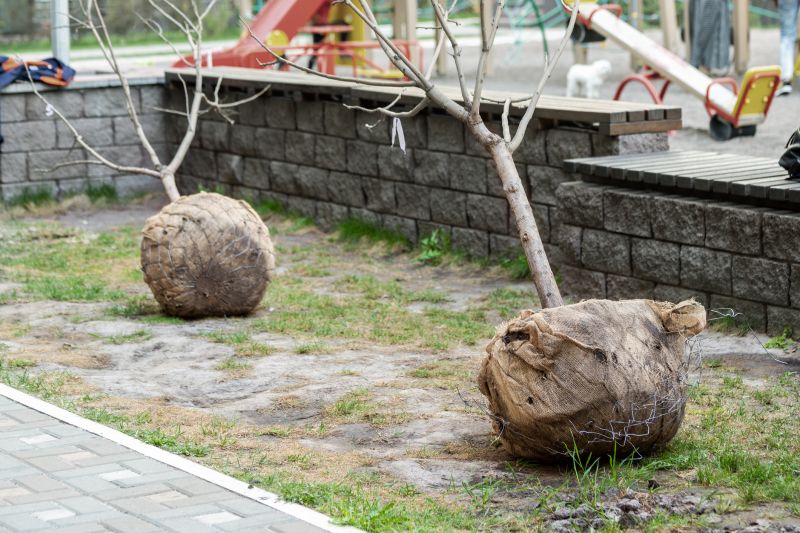
Privacy Trees Planting in Honolulu, HI
Privacy trees planting services involve selecting and installing trees strategically to create natural screens that enhance privacy on residential properties. These projects typically include choosing appropriate tree species, considering factors like growth habits and mature size, and planting them in locations that provide effective visual barriers. Homeowners often request this service to increase seclusion in outdoor living areas, shield homes from neighboring views, or define property boundaries while maintaining an attractive landscape.
Before requesting privacy tree planting, property owners usually want to understand the best tree varieties for their specific location, the ideal planting spots, and the expected growth patterns. It’s also helpful to consider maintenance needs, potential root spread, and how the trees will complement existing landscaping. Clear information about these aspects can support planning and ensure the selected trees will meet privacy goals effectively over time.
Many property owners in Honolulu, HI look into Privacy Trees Planting for repairs, replacements, upgrades, and appearance-related improvements.
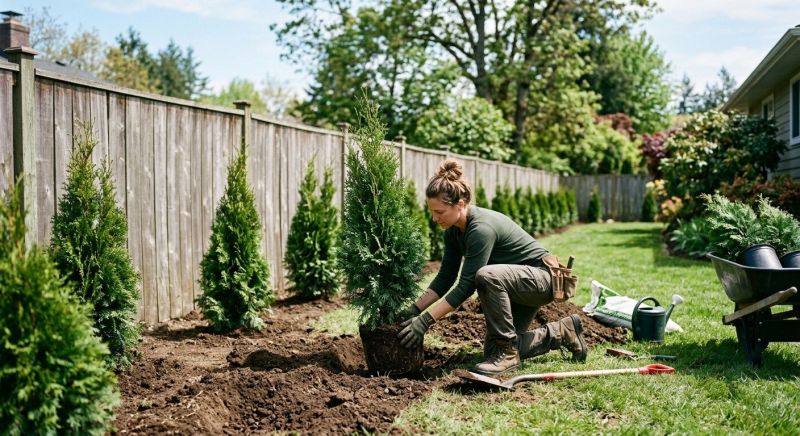
Privacy Tree Selection
Choosing the right trees can enhance privacy while complementing your landscape.
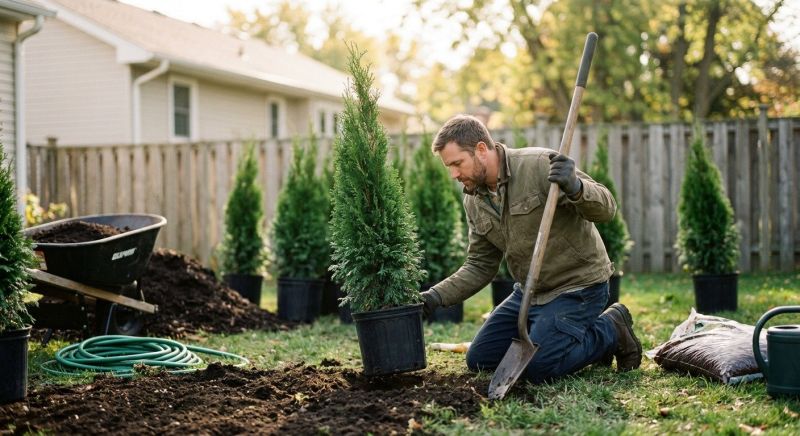
Planting And Maintenance
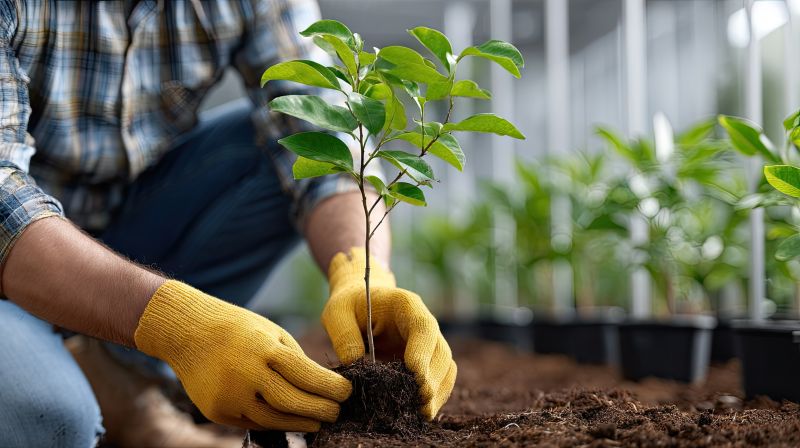
Proper planting and ongoing care ensure healthy growth and effective screening.
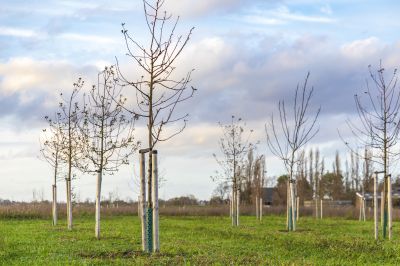
Property Privacy Solutions
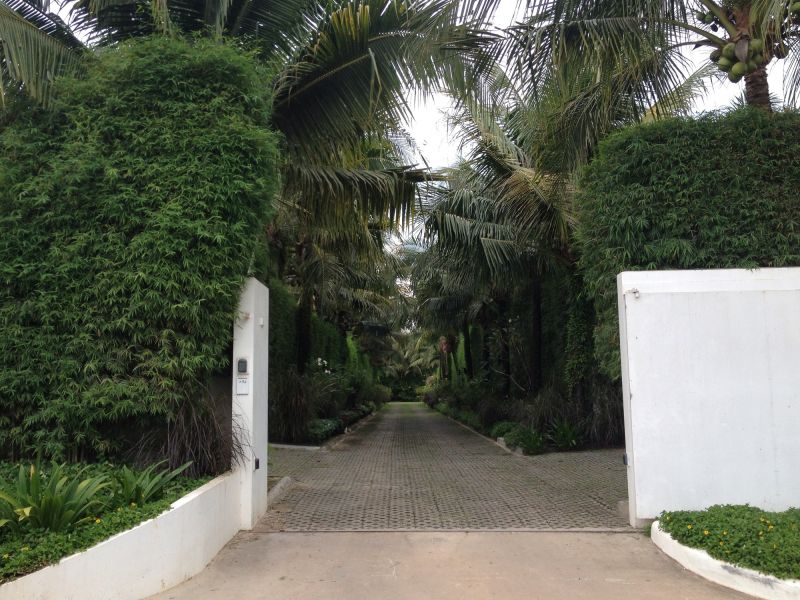
Strategic placement of privacy trees can create a natural barrier around residential and commercial properties in honolulu.
Privacy Trees Planting in Honolulu, HI

Privacy trees planting services involve selecting and installing trees strategically to create natural screens that enhance privacy on residential properties. These projects typically include choosing appropriate tree species, considering factors like growth habits and mature size, and planting them in locations that provide effective visual barriers. Homeowners often request this service to increase seclusion in outdoor living areas, shield homes from neighboring views, or define property boundaries while maintaining an attractive landscape.
Before requesting privacy tree planting, property owners usually want to understand the best tree varieties for their specific location, the ideal planting spots, and the expected growth patterns. It’s also helpful to consider maintenance needs, potential root spread, and how the trees will complement existing landscaping. Clear information about these aspects can support planning and ensure the selected trees will meet privacy goals effectively over time.
Many property owners in Honolulu, HI look into Privacy Trees Planting for repairs, replacements, upgrades, and appearance-related improvements.
Common Privacy Trees Planting Jobs
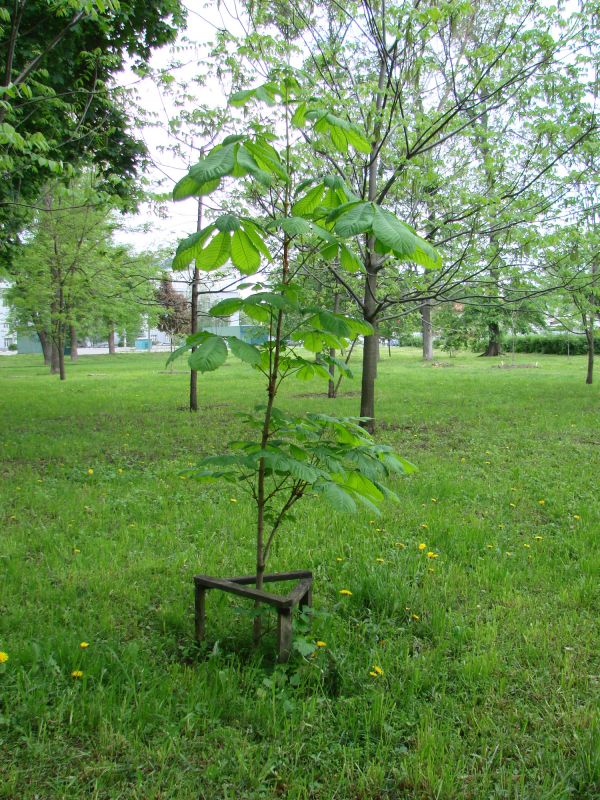
Tree planting projects - planting new trees to enhance property landscapes and provide shade.
Tree preservation services - caring for existing trees to promote healthy growth and longevity.
Native tree planting - selecting and planting trees suited to the local climate and soil conditions.
Shade tree installation - adding large trees to improve outdoor comfort and reduce energy costs.
Ornamental tree planting - enhancing curb appeal with decorative and flowering trees.
Tree replacement services - removing and replacing aging or damaged trees to maintain landscape health.
Privacy Trees Planting Questions
What are Privacy Trees? Privacy Trees are tall, dense trees planted to create a natural screen and enhance privacy on a property.
Which types of trees are suitable for privacy purposes? Common choices include native species like ficus, palms, and certain evergreen trees that thrive in the local climate.
How do Privacy Trees benefit a property? They provide visual screening, reduce noise, and add aesthetic value to residential and commercial landscapes.
When is the best time to plant Privacy Trees? Early spring or fall are ideal times for planting, allowing trees to establish roots before extreme weather conditions.
Request Privacy Trees Planting in Honolulu, HI
Use the quote form on this page to share the basics of your project and request more information for the type of work you need.