Compare Local Contractors for Landscaping Soil Delivery Services
Compare local contractors for landscaping soil delivery to define project scope, verify experience, and set clear expectations for a successful property improvement.
Landscaping soil delivery services typically encompass a range of tasks related to transporting and placing soil materials onto residential or commercial properties. This can include delivering topsoil, compost, mulch, or other soil amendments necessary for planting, lawn establishment, or garden beds. Contractors may also assist with spreading, grading, or leveling the soil to prepare the landscape for planting or other outdoor features. Clarifying the scope of work upfront helps property owners ensure that the delivered soil meets the specific needs of their landscape project and that any additional services, such as grading or spreading, are included in the agreement.
Defining the scope of soil delivery work is essential for setting clear expectations and avoiding misunderstandings. Property owners should specify the types and quantities of soil needed, as well as any preparation or finishing tasks that may be required. Outlining these details in writing provides a reference point for both parties and helps ensure that the project stays aligned with the property owner’s goals. Additionally, understanding what is included and what is not can prevent surprises and facilitate better communication with the chosen contractor, making it easier to manage the overall process.
When comparing local contractors for soil delivery services, property owners should consider experience, reputation, and the range of services offered. It’s helpful to verify whether the contractor has handled similar projects and to seek references or reviews from previous clients. Asking about the types of soil materials available, the equipment used, and the contractor’s process can provide insight into their capabilities. Comparing how different service providers define their scope of work, their communication practices, and their ability to deliver on specific project requirements can help property owners select the most suitable contractor for their landscape needs.
Compare local contractors by outlining your project priorities, verifying experience, and setting clear expectations in writing.
- Compare Contractor Credentials - Review the experience and reputation of local contractors to ensure reliable soil delivery services.
- Define Service Scope Clearly - Specify the type and amount of soil needed to align expectations with service providers.
- Verify Experience and Expertise - Confirm that local contractors have relevant experience handling landscaping soil delivery.
- Document Agreements in Writing - Ensure all project details, scope, and expectations are clearly outlined and agreed upon before work begins.

Clearly describe your landscaping soil delivery project to help local contractors compare options and set clear expectations.
- Verify experience and expertise of local contractors in delivering quality landscaping soil. - Ensure service providers have a clear understanding of soil types, delivery methods, and site requirements.
- Define the scope of work in writing, including soil quantity, delivery locations, and handling procedures. - Clarify expectations to prevent misunderstandings and ensure all project needs are addressed.
- Check reviews or references to assess the reliability and professionalism of local contractors. - Look for feedback related to timely delivery, soil quality, and customer communication.
- Confirm that the scope of the soil delivery service is detailed and agreed upon before work begins. - A written agreement helps set clear expectations and provides a record of the agreed-upon scope.
- Assess the contractor’s ability to handle specific soil types and delivery conditions relevant to the project. - Confirm they have experience with the soil materials and site access requirements.
- Compare multiple service providers to evaluate their offerings, experience, and scope of services. - Gathering options helps identify the best match for the project's specific landscaping soil needs.
Compare local contractors' experience and clarify project scope to ensure smooth soil delivery.
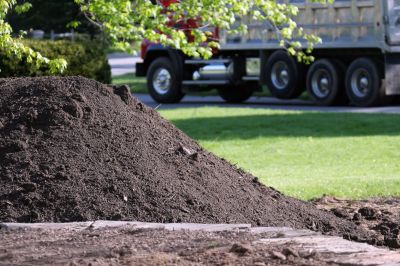
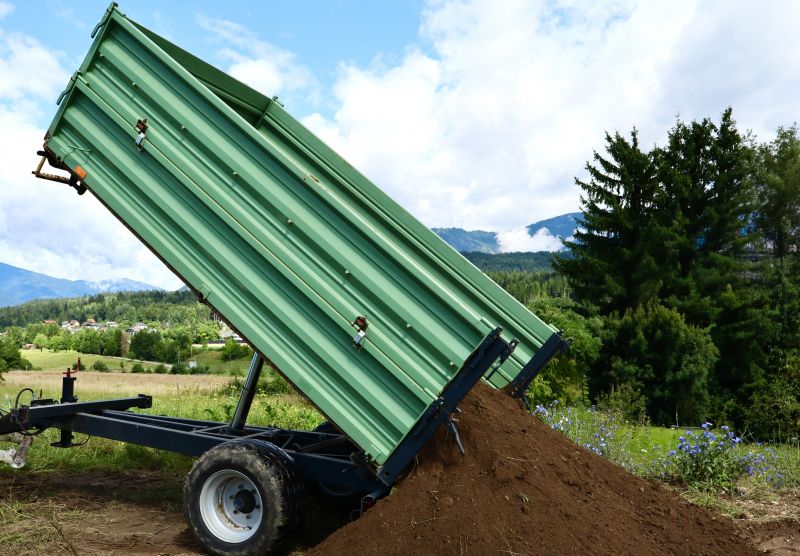
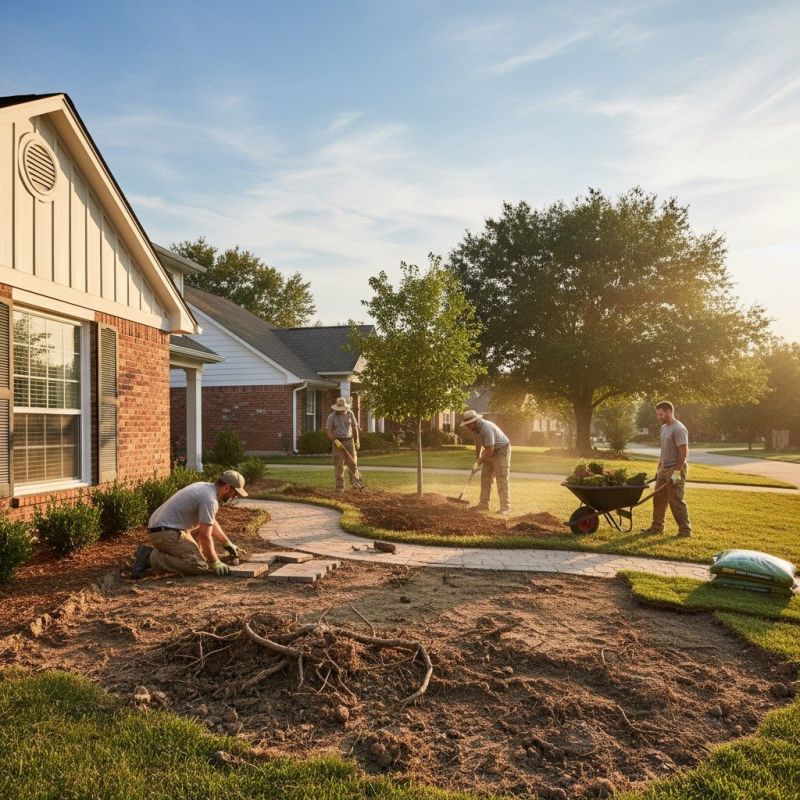
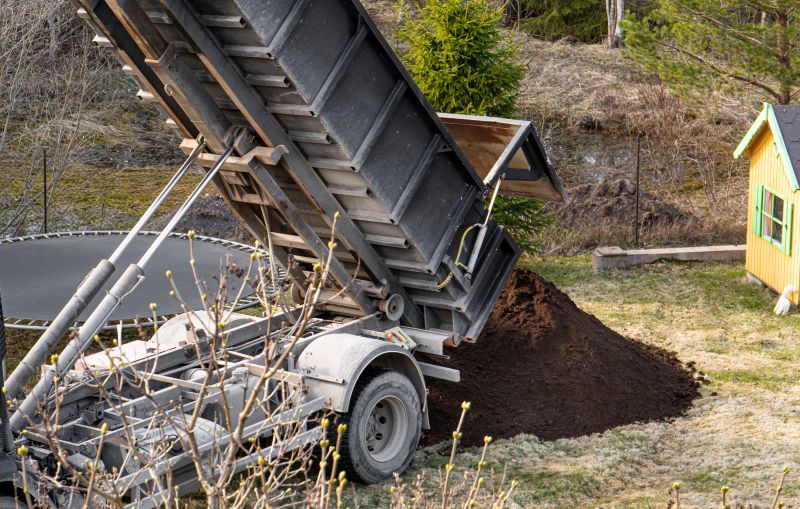
This section guides comparing landscaping soil delivery contractors by establishing clear scope, verifying experience, and maintaining consistent expectations.
- Scope Definition - Clearly specify the type and amount of soil required for the landscaping project.
- Material Specifications - Identify the soil type, quality, and any specific amendments or blends needed.
- Delivery Requirements - Determine the delivery method, location, and access considerations for soil placement.
- Experience and References - Verify that local contractors have relevant experience with soil delivery and landscaping projects.
- Written Agreement - Ensure all scope details and expectations are documented in a formal contract or scope of work.
When comparing contractors for landscaping soil delivery, it’s important to assess their experience with similar projects. Contractors who have a history of handling soil delivery for residential landscapes can offer insights into potential challenges and the best practices for your specific site. Asking about past projects that resemble your needs can help gauge their familiarity with different soil types, delivery methods, and site conditions. A contractor’s experience can influence the reliability and quality of the service, making it a key factor in the selection process.
A clear and detailed written scope is essential for ensuring that expectations are aligned between the homeowner and the service provider. When evaluating contractors, look for comprehensive descriptions of the work to be performed, including the type and amount of soil, delivery logistics, and any site preparation required. A well-defined scope helps prevent misunderstandings and provides a basis for comparing what each contractor offers. Clear documentation also serves as a reference point throughout the project, promoting transparency and accountability.
Verification basics involve confirming that contractors have the necessary background to deliver the service as promised. This includes checking their reputation through references or reviews, understanding their process for handling soil delivery, and ensuring they have appropriate equipment and resources. It’s also helpful to verify that the contractor’s approach aligns with your project’s specific needs, such as delivery timing and access considerations. Gathering this information can assist in making an informed decision based on reliability and professionalism.
When evaluating options, focus on how well each contractor’s experience, scope, and verification practices match the project requirements. Consider the clarity of their proposals, the thoroughness of their scope descriptions, and their ability to address site-specific challenges. Avoid relying solely on visual impressions or assumptions; instead, prioritize detailed information and transparent communication. This approach helps ensure that the chosen service provider can deliver soil efficiently and effectively, tailored to the unique aspects of the landscape project.
Ask contractors to provide written scope details to ensure clarity and consistency throughout the soil delivery project.
- **Experience and Expertise** - What relevant experience do the local contractors have with landscaping soil delivery projects?
- **Scope of Services** - How do the contractors define and clarify the scope of soil delivery and related services?
- **Material Quality and Specifications** - What standards or specifications do the service providers follow for soil quality and delivery methods?
- **Communication and Expectations** - How do local contractors ensure clear communication and document project expectations in writing?
- **Comparison of Offerings** - What key differences should be considered when comparing services and approaches among local landscaping soil delivery providers?
What should I consider when comparing contractors for soil delivery? It’s important to review their experience with similar projects, verify their reputation, and ensure they clearly define the scope of work in written agreements to set proper expectations.
How can I verify a contractor's experience in soil delivery? Ask for details about past projects, request references if available, and confirm that they have handled soil delivery jobs comparable in size and scope to your needs.
What questions should I ask a contractor before hiring for soil delivery? Inquire about their process for handling deliveries, how they ensure proper soil quality, and how they coordinate with other landscaping services to avoid misunderstandings.
Why is it important to have a written agreement with a soil delivery contractor? A written contract helps clarify the scope of work, delivery expectations, and responsibilities, reducing the potential for misunderstandings or disputes later on.
How can I ensure a contractor understands my soil delivery needs? Clearly communicate the amount, type of soil, delivery locations, and any special requirements, and confirm these details are documented in the service agreement.
What are some tips for comparing different soil delivery service providers? Look at their experience, verify references or reviews, review scope and terms in writing, and ask how they handle specific delivery requirements to find the best fit for the project.
By exploring the options available, visitors can gain a clearer understanding of how to identify qualified contractors for landscaping soil delivery. Learning to define the scope of work, verify experience, and set clear expectations in writing helps ensure the project aligns with specific needs. Comparing local service providers through the provided quote form offers an efficient way to evaluate options and make informed decisions.
Utilizing the quote form allows visitors to connect with local contractors capable of handling landscaping soil delivery. Taking the time to compare and specify project details helps in finding service providers who meet individual requirements. This approach supports making well-informed choices by reviewing available local options and establishing clear communication upfront.